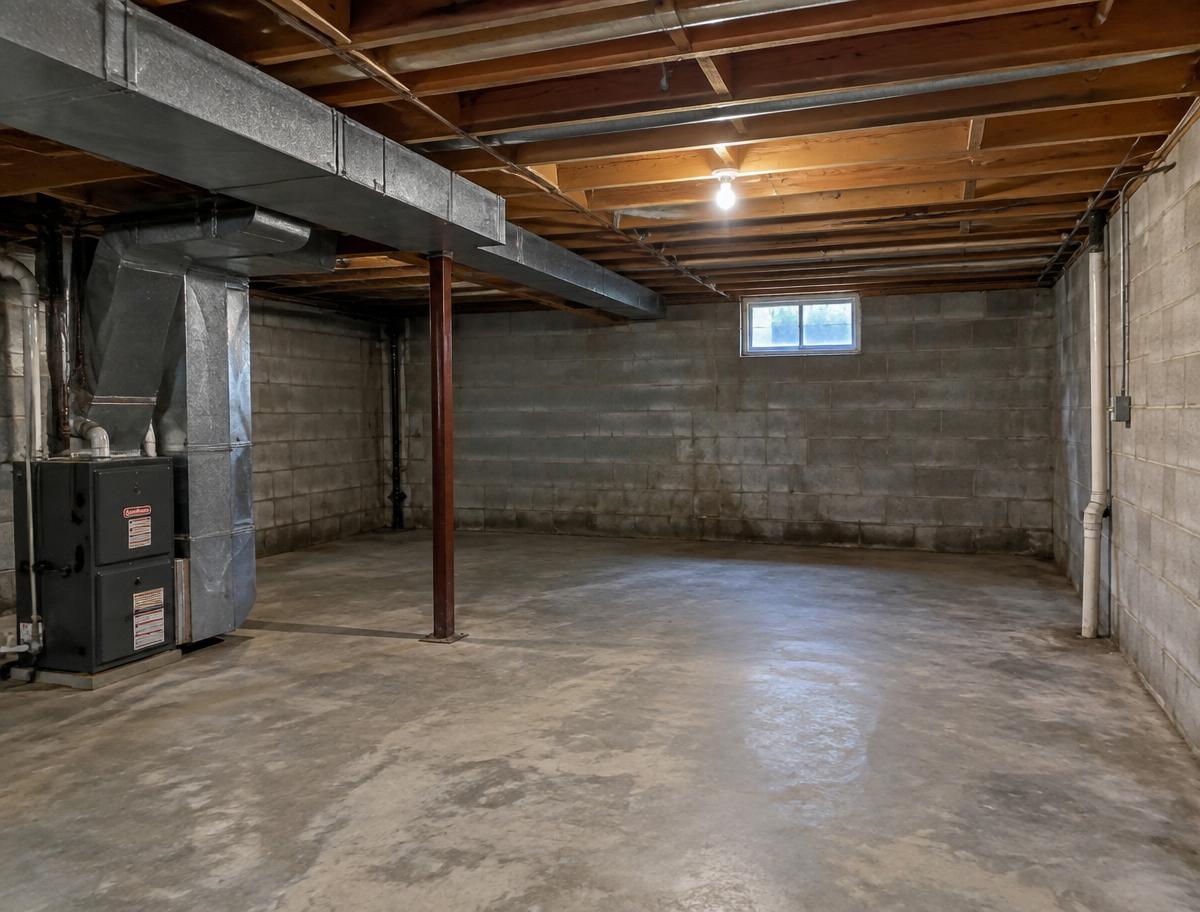
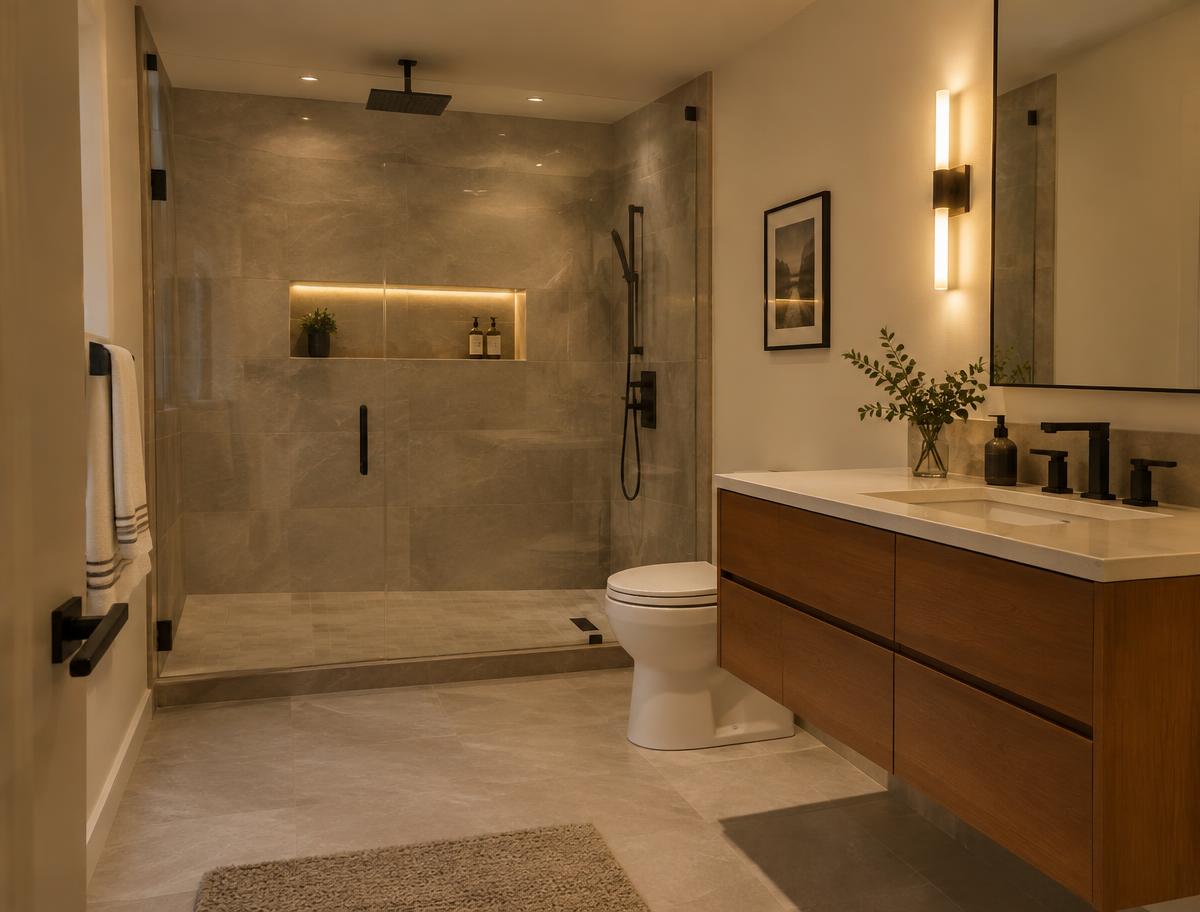
This is one of the most common questions we get from homeowners before a basement project starts. And the answer is simple: yes, you need a permit to finish a basement in Johnson County, Kansas.
This applies whether you're in Overland Park, Leawood, Lenexa, Olathe, Shawnee, or Prairie Village. Every city in Johnson County requires permits for basement finishing work — and for good reason. Here's everything you need to know.
Why Permits Are Required
Finishing a basement involves structural, electrical, plumbing, and HVAC work — all systems that affect the safety of your home and everyone in it. Permits exist to make sure that work is done correctly and inspected by a licensed city official before walls are closed up.
Skipping permits might seem like a way to save time or money upfront. But it creates serious problems down the road — issues with homeowner's insurance, complications when you sell the house, and potentially having to tear out finished walls for an after-the-fact inspection. It's not worth it.
What Permits Are Typically Required
For a standard basement finish in Johnson County, you'll typically need:
Building permit — covers the overall scope of work including framing and structural changes
Electrical permit — required any time new circuits, outlets, or fixtures are added
Plumbing permit — required if you're adding a bathroom or wet bar with a drain
Mechanical permit — required for HVAC extensions or new ventilation
The exact permits vary slightly by city. Overland Park, Leawood, and Lenexa each have their own building departments but follow similar requirements under Johnson County codes.
How Much Do Permits Cost?
Permit fees in Johnson County typically run between $500 and $1,500 for a full basement finish depending on your city, the square footage, and the scope of work. This is factored into your project estimate upfront — there are no surprise permit fees with us.
Who Pulls the Permits?
When you work with Signature Basements KC, we handle all permits and inspections for you. That means we submit the applications, coordinate with your city's building department, schedule the inspections, and make sure every phase of work is approved before moving forward. You don't have to call a single city office or chase down an inspector. We manage the entire process.
What Inspections Happen During a Basement Finish?
For a typical basement project in Johnson County you can expect three to four inspections:
Rough-in inspection — happens after framing, electrical rough-in, plumbing rough-in, and HVAC are complete but before insulation and drywall go up. This is the most important inspection — it's the one that confirms all the systems are installed correctly.
Insulation inspection — in some cities a separate inspection is required after insulation is installed and before drywall.
Final inspection — happens after the project is complete. The inspector walks the finished space and signs off on the permit.
Passing all inspections is not optional — it's what makes your basement finish legal, insurable, and sellable.
What Happens If You Finish a Basement Without a Permit?
Homeowners who skip permits often discover the problem when they try to sell their home. During the sale process, buyers and their inspectors will look for permitted work. An unpermitted basement finish can delay or kill a sale, require you to open walls for inspection, or force you to pay for the work to be brought up to code after the fact — often at a higher cost than doing it right the first time. It also creates issues with homeowner's insurance. If a claim involves the basement and the work was unpermitted, the insurance company may deny coverage.
The Bottom Line
Permits protect you, your family, and the value of your home. When you work with a legitimate, professional contractor they should be pulling permits on every project without you having to ask. If a contractor ever suggests skipping permits to save money or move faster — walk away.
At Signature Basements KC, every project is fully permitted and inspected. It's not something we offer as an option. It's how we work.